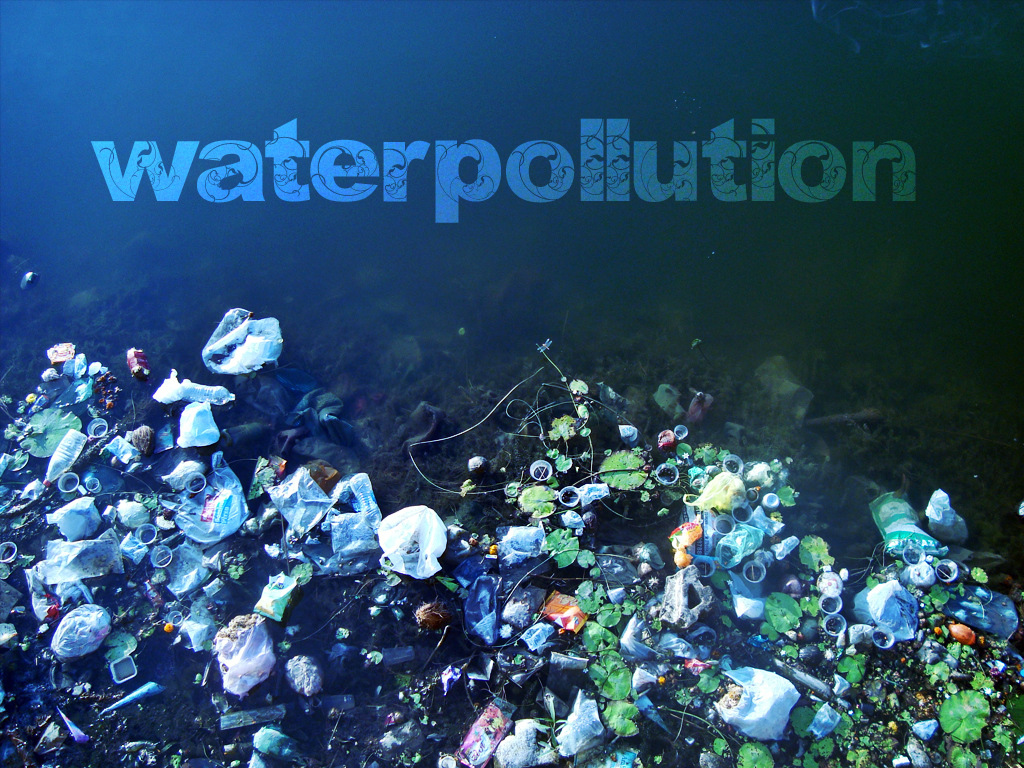
WATER POLLUTION AND CONTROL MEASURES
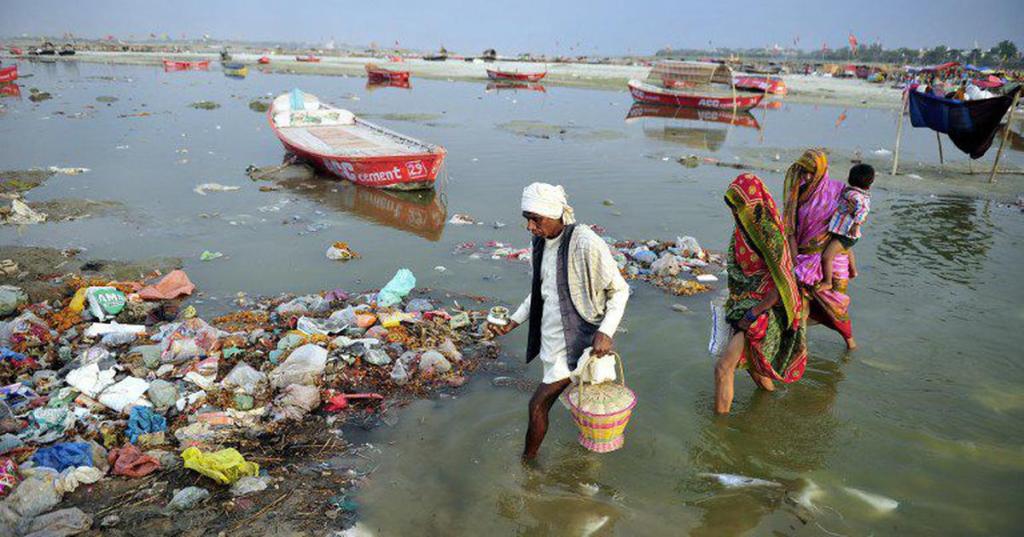
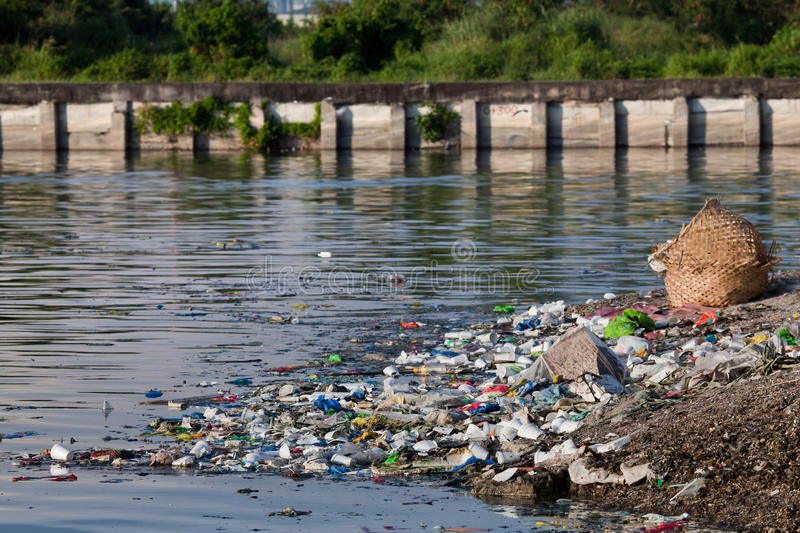
Pollution is the introduction of contamination into the environment. Water pollution is the presence of extreme levels of pollutants (hazards) in a water body, such that it is no longer suitable for regular human usages such as bathing, cooking, or drinking. Polluting water is commonly seen with the involvement of human activities such as throwing waste, industrial and agricultural effluents, chemical discharge, etc.
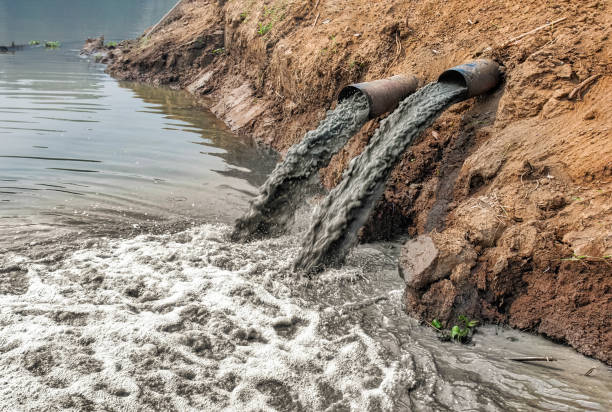
This leads to the degradation of water quality and affects aquatic life. When humans or animals consume this water for thirst, the health effects caused are adverse to life. Only less than 0.3% of the freshwater of the earth is suitable for normal drinking. ‘Pure’ water form is thought to be water with the minimum amount of gases, minerals, and life.
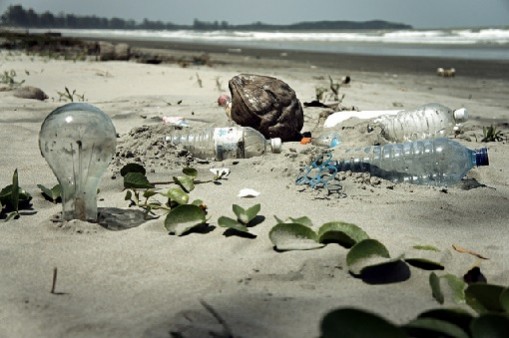
Sources of Water Pollution
Industrial Waste
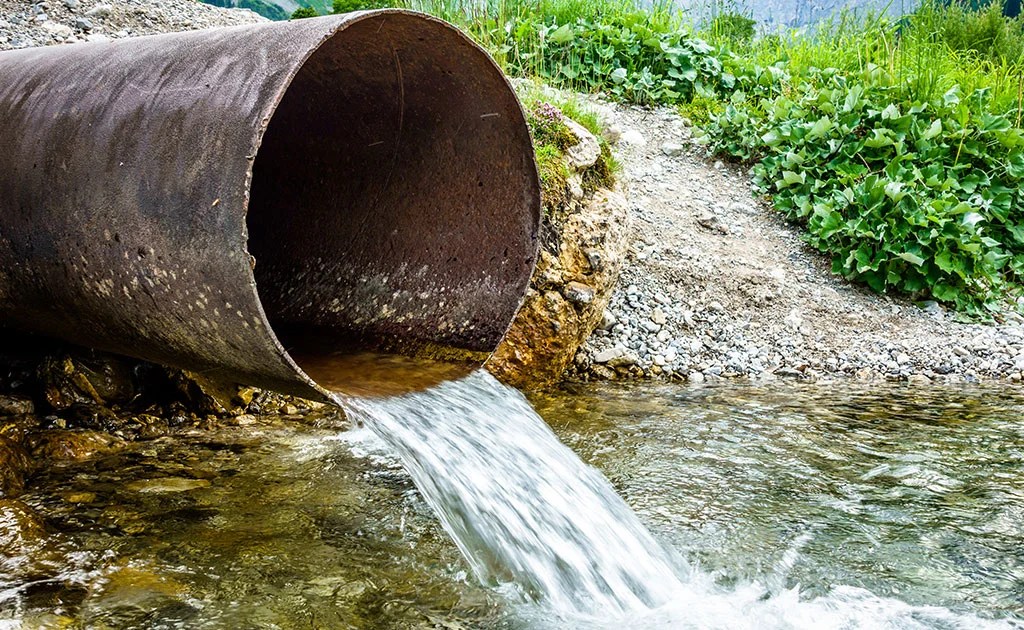
Many regular industrial activities release enormous amounts of toxic chemicals such as lead and mercury. They spread to other living species when humans use this contaminated product for regular purposes. It also affects the biodiversity of the water body.
Sewage and Waste
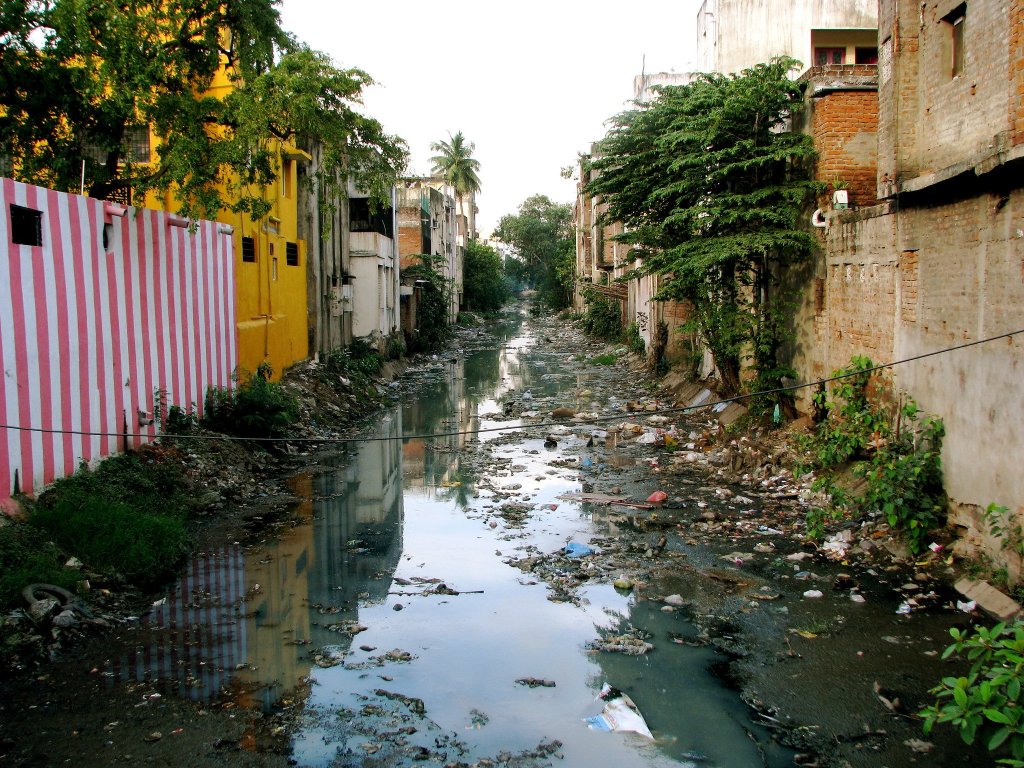
Tonnes of sewage waste is dumped into water bodies. This not only causes pollution but also releases dangerous disease-causing pathogens.
Agricultural Activities
The use of chemical fertilizers, pesticides, and other runoffs during irrigation flows into the water bodies. These chemicals cause pollution to water bodies in a short span of time.
Radioactive Wastes
After usage of radioactive materials for nuclear wagons or as an energy source, they are mostly dumped into water bodies or in glaciers that will immediately mix with water when the temperature rises.
Control Measures of Water Pollution
Prevention and control of water pollution could be done in so many ways. To start off, it is to plant more trees around water bodies as they naturally help to assimilate and recycle the pollutants. Some important points are summarized below:
- There is a plant known as ‘Water Hyacinth’ that absorbs dissolved toxic substances like cadmium and mercury from water bodies, thus actively removing pollutants from water.
- It is important to dispose-off waste carefully and not to dump it directly into water bodies, without proper waste treatment.
- Using natural fertilizers and pesticides as substitutes for chemical ones is good for plants and water.
- Chemical processes such as coagulation, ion exchange method, reverse osmosis, etc. will greatly reduce the level of water pollution.
- Lastly, it is better to reduce the consumption of water in our daily activities and reuse water whenever possible to reduce the overall level of pollution.
Source of Water pollution :
Groundwater Pollution
Groundwater is one of our least visible but most critical natural resources. With rainfall, it becomes groundwater as it seeps deep into the earth, filling up cracks, crevices, and porous spaces of an aquifer, which is an underground storehouse of water. Groundwater is then pumped to the earth’s surface for drinking water. Surface Water.
Surface Water
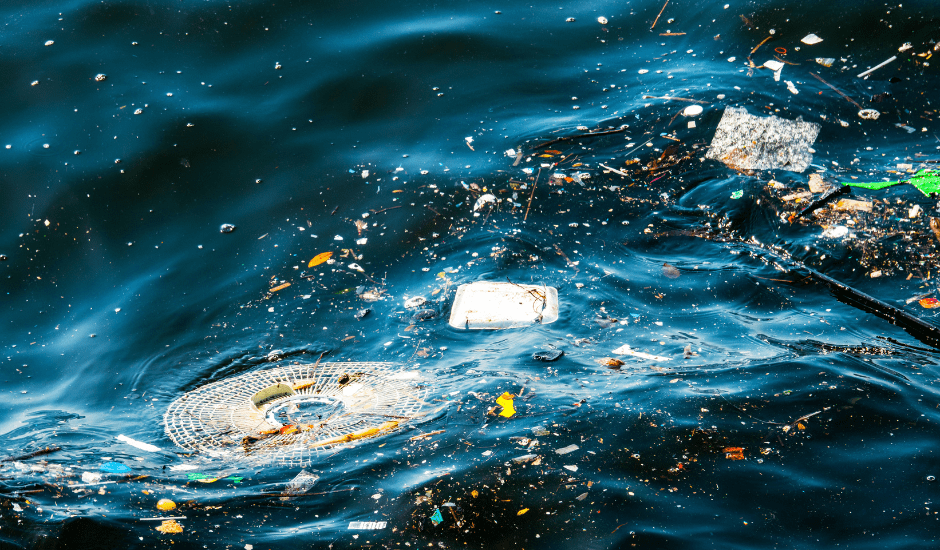
Surface water covers about 70 percent of the earth, filling our oceans, lakes, rivers, and including all blue bits on the world map. Surface water from freshwater sources other than the sea accounts for more than 60 percent of the water delivered to our homes.
Designed By Braham Kumar
 Water Conservation